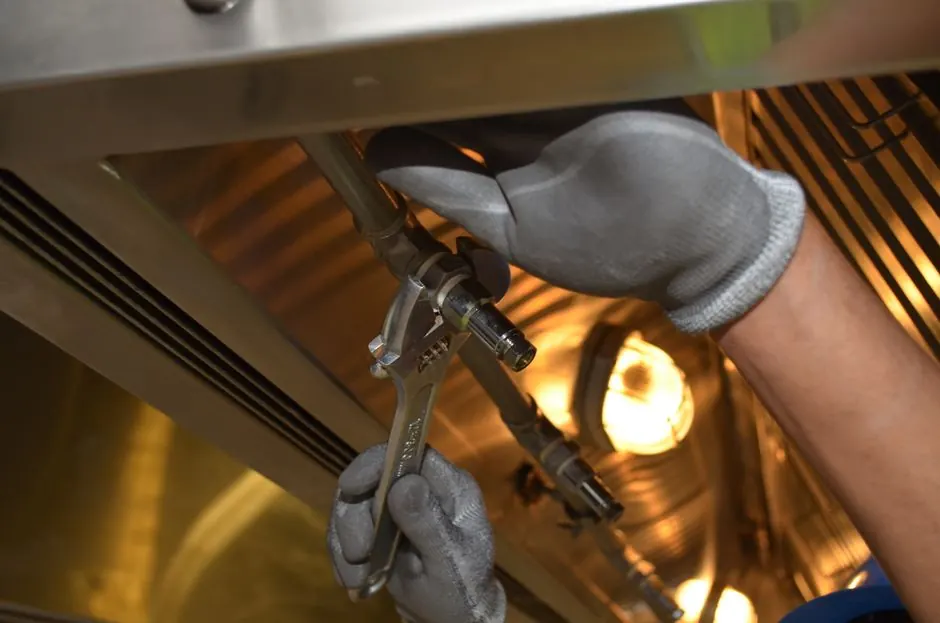
A leaking faucet can be a frustrating problem for homeowners in Boulder. Fortunately, fixing a leaking faucet is a manageable task that you can tackle yourself with the right tools and guidance. In this step-by-step guide, we will walk you through the process of repairing a leaking faucet, helping you save water and money.
First, let's understand why faucets leak. Common causes include worn-out washers, corroded valve seats, and loose parts. Identifying the source of the leak is crucial for an effective repair.
Understanding Faucet Leaks
Faucet leaks can occur in various types of faucets, including compression, cartridge, ball, and ceramic disc faucets. Each type has its unique mechanism and potential failure points. Here's a brief overview:
- Compression Faucets: These have two handles and use rubber washers to seal the water flow.
- Cartridge Faucets: These can have one or two handles and use a cartridge to control water flow.
- Ball Faucets: Typically found in single-handle faucets, they use a ball mechanism to control flow and temperature.
- Ceramic Disc Faucets: These have a single handle and use a pair of ceramic discs to regulate water flow.
Understanding your faucet type will help you identify the specific components that may need repair or replacement.
Gathering Your Tools
Before starting the repair, gather the necessary tools:
- Adjustable wrench
- Screwdriver (flathead and Phillips)
- Replacement parts (washers, O-rings, or cartridges)
- Towel or rag
- Plumber's grease
Having these tools on hand will streamline the repair process, making it easier for you to fix the leak.
Step-by-Step Repair Process
Follow these steps to repair your leaking faucet:
- Turn Off the Water Supply: Locate the shut-off valves under the sink and turn them off. If there are no local shut-offs, turn off the main water supply.
- Drain the Faucet: Open the faucet to let any remaining water drain out.
- Remove the Faucet Handle: Use a screwdriver to remove the handle screw. If the handle is stuck, gently wiggle it or use a flathead screwdriver to pry it off.
- Inspect the Components: Check the washer, O-ring, or cartridge for wear and tear. Replace any damaged parts.
- Reassemble the Faucet: Apply plumber's grease to the new parts, then reassemble the faucet in the reverse order of disassembly.
- Turn On the Water Supply: Slowly turn the water supply back on and check for leaks.
By following these steps, you should be able to successfully repair your leaking faucet.
Common Mistakes to Avoid
When repairing a faucet, avoid these common mistakes:
- Not turning off the water supply, which can lead to a messy situation.
- Using the wrong replacement parts; always ensure compatibility with your faucet type.
- Over-tightening screws, which can damage components or lead to leaks.
- Forgetting to apply plumber's grease, which can help ensure a smooth operation.
When to Call a Professional
Sometimes, a faucet leak may indicate a more serious plumbing issue. If you find that your repair attempts do not resolve the problem or if you encounter complex plumbing systems, it may be time to contact a professional. Boulder Leak Repair Pros offers expert assistance for all types of leaks. Our experienced team can quickly diagnose and repair any plumbing issues you may face.
Frequently Asked Questions
How do I know if my faucet needs repair?
If you notice consistent dripping or pooling water around the base of the faucet, it likely needs repair.
Can I use tape to fix a faucet leak?
While tape can temporarily seal leaks, it is not a permanent solution. It's best to replace worn-out parts.
What tools do I need to fix a faucet?
You will need an adjustable wrench, screwdrivers, replacement parts, and plumber's grease to fix a faucet properly.
How long does it take to repair a faucet?
Most faucet repairs can be completed in under an hour, depending on the complexity of the issue.
When should I call a plumber?
If you are uncomfortable with DIY repairs or if the leak persists after your attempts, contact a professional plumber.